

Hunza Valley is famous all around the world for the prolonged existence of the people living in this valley. A great deal of research has been done to discover the top secret behind the long lives of these people. Many researchers believe that it is primarily their pure and healthy diet that helps them maintain health and longevity.
Hunza has a remarkable variety of traditional dishes for different occasions. The food in this region is full of delicious taste. You will feel the real flavor of nature and purity in these foods. If you have ever tasted the food of Hunza, only then can you truly realize the feel of these mouthwatering dishes.
Nestled in the heart of the Karakoram mountains, Hunza Valley is renowned not only for its breathtaking landscapes but also for its unique cuisine that has sustained its people for centuries. The Hunza diet is instinctively reliant on fruit—fresh in summer and dried in winter—combined with whole grains, fresh dairy, and locally pressed oils. Unlike the spicy fare of much of South Asia, Hunza cuisine is a light menu of grains, vegetables, fruits, and fresh dairy that has earned its people a reputation for longevity.
From the iconic Chapshuro (Hunza Pizza) to the century-old Maltash butter, from the warming Harissa to the refreshing Chamus apricot drink, every dish tells a story of resilience, tradition, and a deep connection to the land. The Hunza people consume apricots in excessive amounts—fresh in summer, as juice (Chamus), and dried for winter—which is why they are famously cancer-free.
Here are the top traditional foods you must try when visiting this mountain paradise.
1. Chapshuro – The "Hunza Pizza"
Chapshuro is perhaps the most iconic dish of Hunza Valley. This stuffed flatbread is made by sealing two rotis together around a filling of minced meat (traditionally yak, mutton, or beef), onions, herbs, and spices. In the local Burushaski language, chap means meat, gunsho means onions, and shoro means bread—literally "meat and onion bread".
Often described as a "healthy pizza" or "Hunza calzone," chapshuro is cooked on a flat griddle until golden and crispy outside, juicy and spiced inside. The best versions use whole-wheat or buckwheat flour and are fried in local apricot or walnut oil, adding a distinctive sweet, nutty flavor. Lal Shahzadi of the Hunza Food Pavilion near Baltit Fort is famous for her authentic preparation using organic ingredients.
Where to try: Hunza Food Pavilion (near Baltit Fort), Café de Hunza, or street stalls near the Rakaposhi Viewpoint.
2. Diram Fitti – The Energetic Breakfast
Diram Fitti is a traditional breakfast bread made from sprouted wheat flour, which gives it a natural sweetness without any added sugar. This energy-dense dish is perfect for the Hunza people who work long hours in the fields. It is typically served with butter and drizzled with apricot oil, sometimes topped with chopped almonds and ground cardamom.
The dish is also prepared on special occasions like weddings or the birth of a child. Its naturally sweet flavor and nutritious profile make it one of the most beloved breakfast items in the region.
3. Buroshapik / Ghilmindi – The Savory Cheese Bread
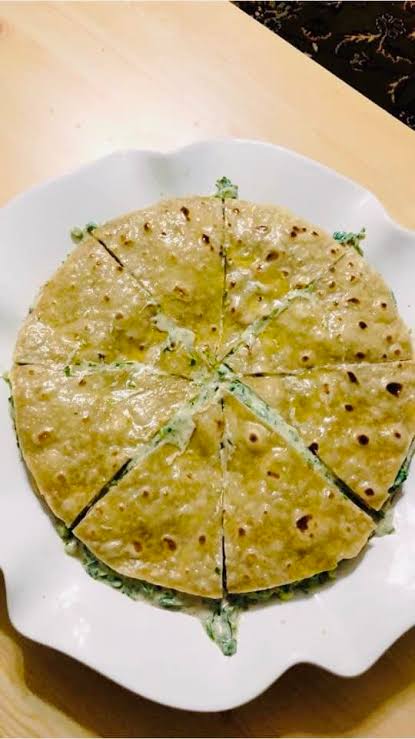
Ghilmindi (also called Buroshapik) is a unique dish you won't find outside Hunza. Wheat chapatis are pan-fried, cut into triangles, and stuffed with a yogurt-cheese mixture. Fresh herbs like coriander and mint are mixed in, and apricot oil often makes an appearance. Some versions include nuts or nut shavings inside and on top.
This Pamiri dish from Gojal-Hunza is prepared on special occasions such as plowing season. The combination of tangy yogurt, fresh herbs, and nutty oil creates a flavor profile that is truly one of a kind.
4. Gyaling / Gral – The Mountain Crepes
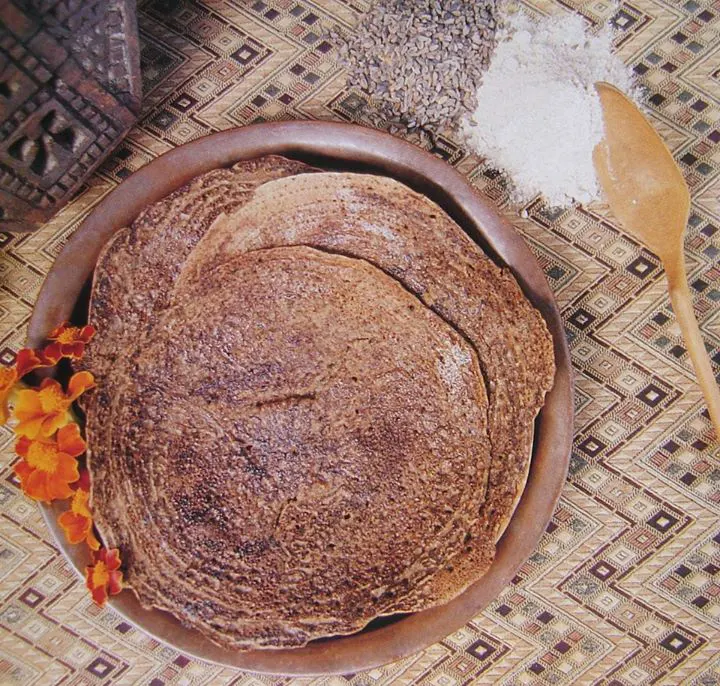
Gyaling (or Gral) is a thin, stretchy wheat bread that resembles a stack of pancakes or crepes. This traditional breakfast item is served in a stack and dipped in apricot oil or fresh cow butter. It is always accompanied by Hunza-style salty tea or herbal chai.
The dish is simple yet satisfying, providing a filling start to the day before heading out on one of Pakistan's many hikes. Gyal is not made every day—it is typically served to guests, making it a special treat.

5. Hoilo Garma – The Mountain "Alfredo"
Hoilo Garma is a delicious and nutritious dish made from dough mixed with locally grown spinach and potatoes. What makes it truly special is the addition of chopped apricot seeds, which give it a cheesy taste without any actual cheese being used. The result is a creamy, comforting dish that tastes like "the alfredo pasta you didn't even know you needed".
This wholesome meal is perfect for travelers missing Western comfort food while still wanting to experience authentic local cuisine.
6. Tumoro Tea – The Wild Thyme Elixir
Tumoro tea is made from a sweet-smelling wild shrub found in the upper mountains surrounding Nagar Valley. The aromatic plant, also known as Wild Thyme, is boiled in water to extract its essence, resulting in a yellow-colored herbal tea.
Beyond its pleasant taste, Tumoro tea offers numerous health benefits including stress reduction, improved circulation, headache reduction, nerve relaxation, and sore throat treatment. Don't miss the chance to try (and buy) this tea while visiting the valley.
7. Bataring Dawdo – Apricot Soup
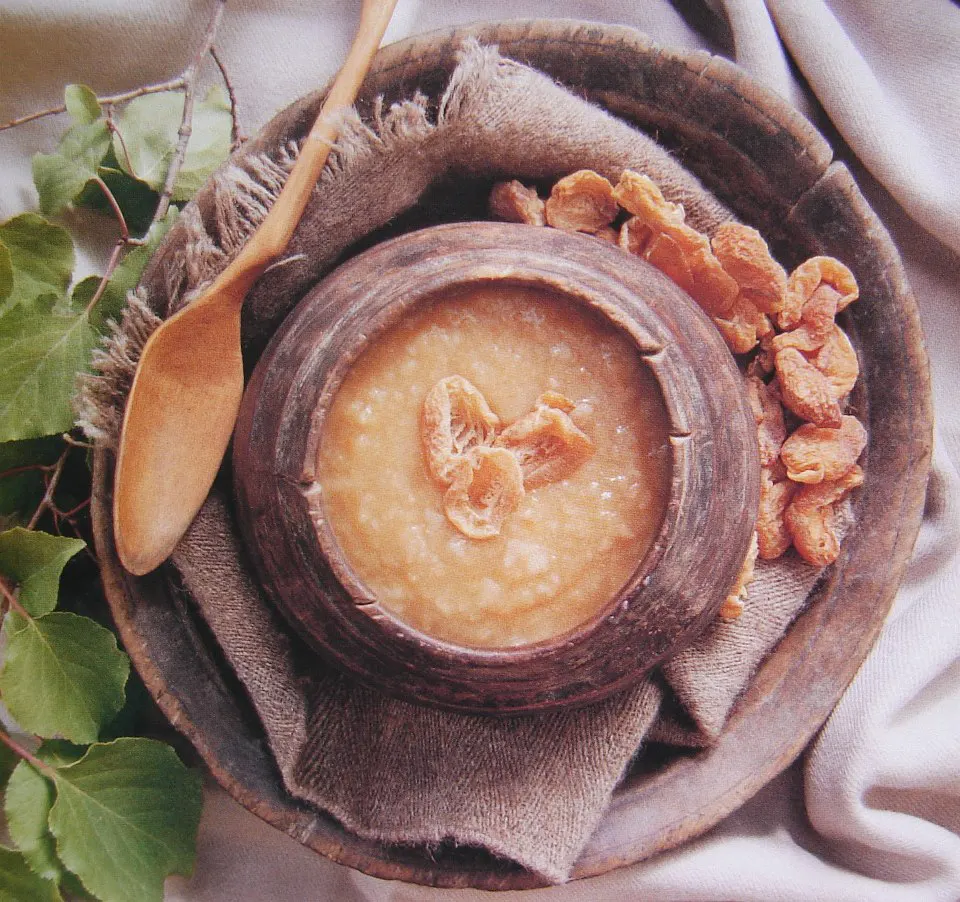
Bataring Dawdo is a centuries-old recipe for apricot soup that has nourished Hunza communities through harsh winters. The soup is made by boiling locally dried apricots (which taste like toffee when cooked) and adding small noodle-like crumbles made from wheat flour to thicken the mixture. The result is a sort of dumpling soup with musky notes.
This soup has been used for centuries to ward off colds, relieve joint aches, cure fevers, and provide a surge of energy and warmth for strenuous work. The apricots serve as a reminder that "there are better times of abundance to come".
8. Butter Tea – The Mountain Staple
Butter tea is one of the backbones of Balti and Hunza cuisine. This is not your average tea—it contains salt, butter, milk, and pre-brewed green tea leaves. It is served with a side of fresh ground wheat flour and a small dish of pure apricot oil. You mix in a spoon each of the brown flour and golden apricot oil to create a warming, thick mixture.
In some places, several cups of butter tea constitute an entire breakfast, with solid food not eaten until work has already begun for the day. This tradition spans the entire mountain region from Tibet to Bhutan.
09. Harissa – The Ultimate Winter Comfort Food
Harissa is the most beloved of all winter meals in Hunza. Unlike the Middle Eastern version, the Hunza style involves slow cooking for hours with wheat and fluffy beef or mutton until it becomes rich, thick, and deeply flavored. It provides long-lasting energy and maintains warmth even in sub-zero temperatures. Harissa is traditionally prepared during the coldest weather, when people gather around large kettles as it cooks slowly. It is rich in protein and vital nutrients, making it a staple for surviving the harsh Hunza winters.
10. Chamus – The Refreshing Apricot Drink
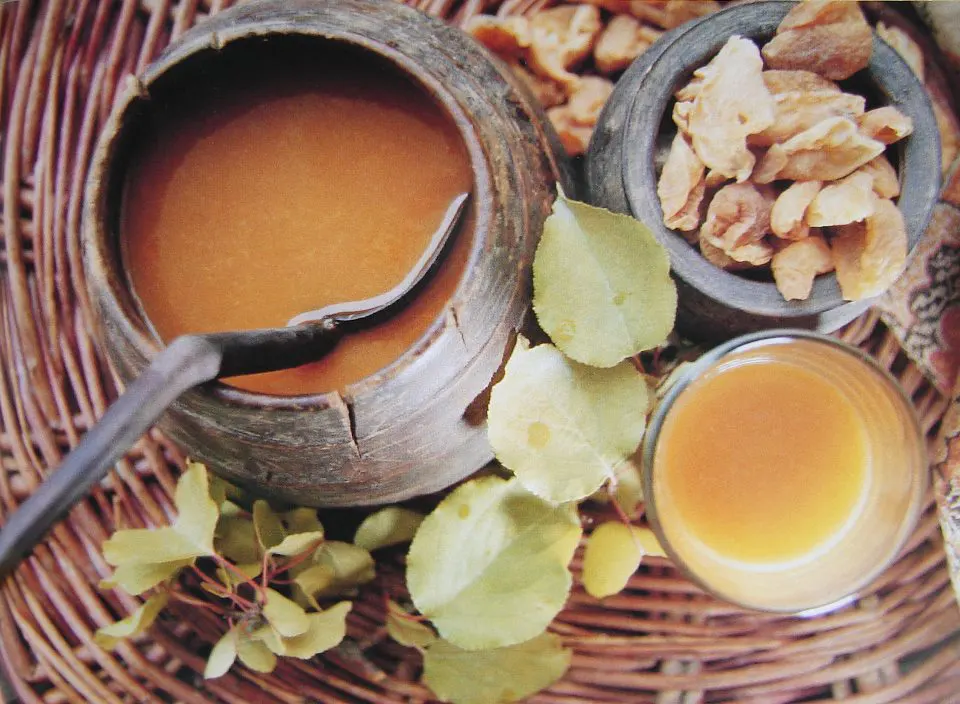
Chamus is a popular summer drink made from dried apricots. The Hunza people consume apricots in excessive amounts in various forms—they eat fresh apricots in summer, make juice from them called Chamus, and dry them for winter use. Apricot juice is very healthy, and many Hunza families drink it throughout the year instead of tea.
Apricots are high in antioxidants, which help fight cellular injury and prevent blood cell mutation. The residents of Hunza eat apricots in a variety of ways, which is why they are famously cancer-free.
11. Maltash – The Century-Old Butter
Maltash is perhaps the most unusual and revered delicacy in Hunza. It is a butter made from cow and yak milk, shaped into cakes, wrapped in birch bark, and buried underground for decades—sometimes for up to a hundred years. The butter ferments over time, developing a pungent, cheese-like consistency and a sour, acidic taste that locals prize as a mark of quality. The acidity inhibits bacterial growth, giving it an extraordinarily long shelf life. Maltash is eaten raw or with flatbread and is considered a special food, given away at weddings and major events. Only about 10 to 12 families per village have the rights to bury butter in the village square, with each family's stash marked by a colored cloth under a flagstone.
12. Chilpindok – The Layered Feast of Shimshal
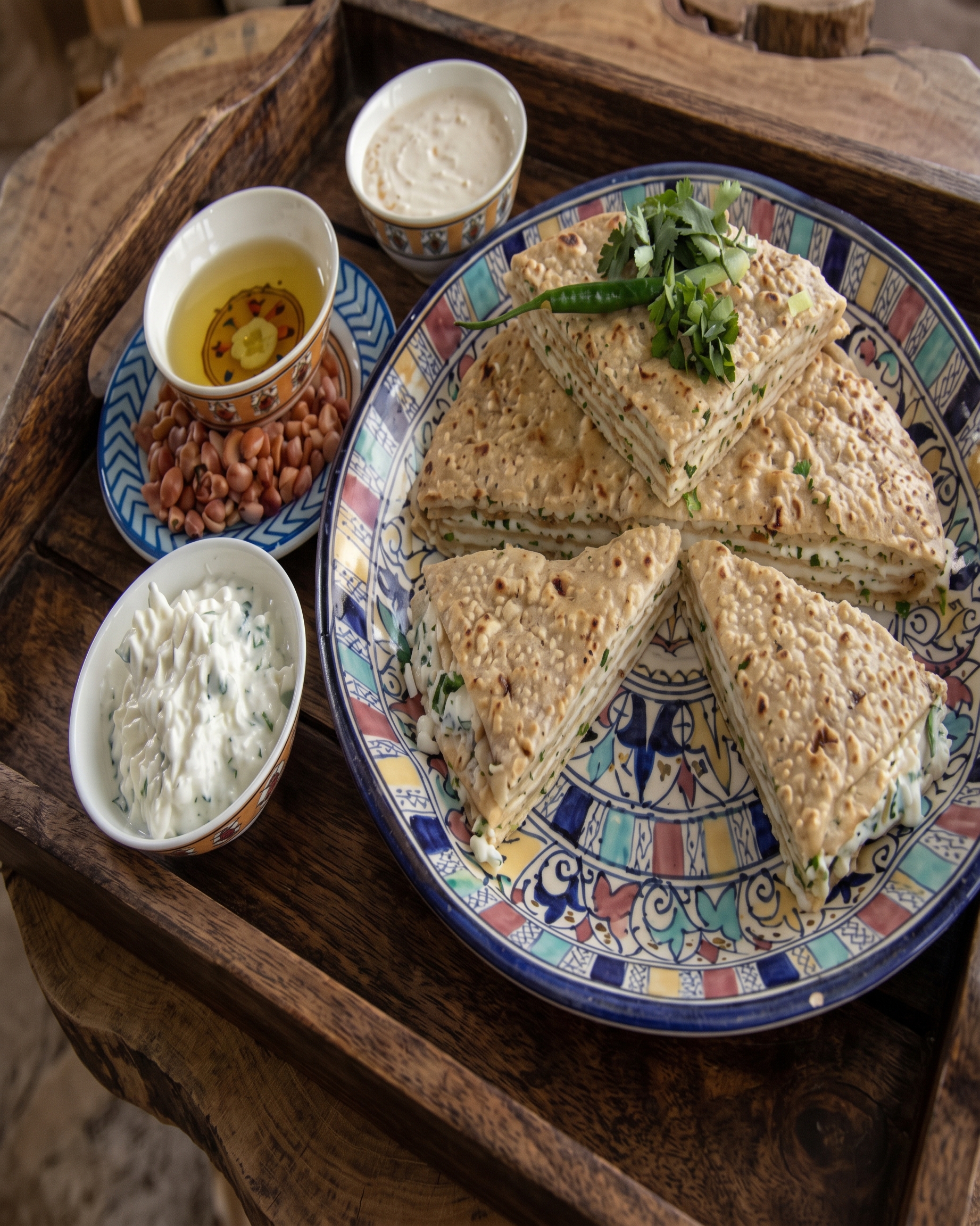
Chilpindok is a special dish served to guests in Shimshal, a remote village in the Gojal Valley of Hunza District. It consists of large chapatis spread with pai (a local dairy product), homemade yogurt, qurut (dried yogurt), and butter or apricot oil, then stacked in piles. The result is a rich, fulfilling dish that showcases the pure, robust flavors of mountain dairy. It is considered a great honor to be served Chilpindok, and visitors to Shimshal often remember it as a highlight of their cultural experience
13. Chapsae Doudo – The Meat Soup
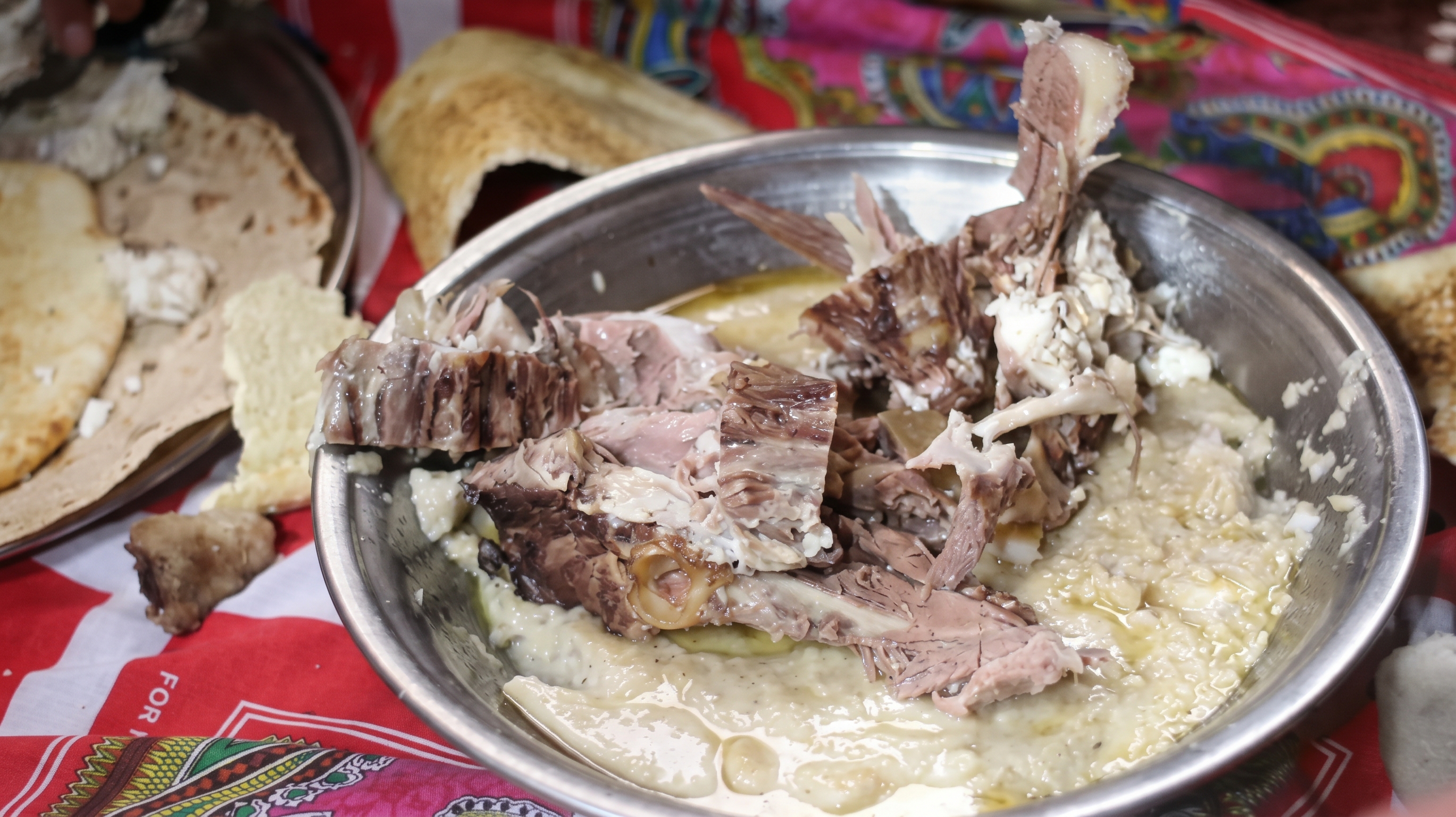
Chapsae Doudo is a simple mountain meat soup that can be adapted to nearly any type of meat. It is a clever dish that also takes care of old bread by incorporating it into the soup, making it a practical and nourishing meal for mountain families. This soup reflects the resourcefulness of Hunza cuisine, where nothing goes to waste.
14. Molida – The Communal Bread Dish
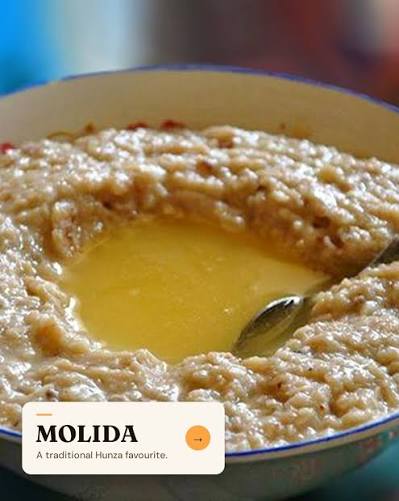
Molida is a local dish of bread mixed with qurut (dried yogurt) and butter. It is traditionally prepared in a big pot, and the entire village participates in eating it. This communal aspect reflects the strong social bonds and collective spirit of Hunza communities, where food is shared as a celebration of togetherness.
15. Bat (Baat) – The Sacred Porridge of the Wakhi People
Bat, also spelled Baat or Bath, is a deeply symbolic and traditional porridge-like dish of the Wakhi people, predominantly prepared in the Gojal Valley (Upper Hunza) region of Gilgit-Baltistan, Pakistan. More than just a meal, Bat is a ritual food that embodies the spiritual and cultural essence of Wakhi life. It is a simple yet profound dish made from wheat flour, water, salt, and butter or oil. In some variations, milk is used instead of water, and ingredients like mulberry or sugar may be added depending on the region. The dish is cooked until it reaches a porridge-like consistency, then spread on slices of bread and consumed. The name "Bat" has ancient roots, appearing across multiple languages of the region—including Wakhi, Shughni, Ishkashimi, Munji, and Balti—where it consistently refers to a boiled mixture of flour and butter. This linguistic unity speaks to the dish's antiquity and its deep connection to the Pamiri cultural sphere.
Bat is not prepared and consumed every day. It is a ritual meal, representing an offering or gift, and is reserved for significant occasions such as departure to summer pastures, return from summer pastures, guest reception, the beginning of the New Year, and the third day after a death. As families prepare to migrate with their livestock to the high Pamir pastures, Bat is prepared to bless the journey. When families return to the village after months in the mountains, Bat welcomes them home. Serving Bat to guests is a mark of honor and hospitality. Bat is prepared at Nawruz, the spring New Year festival, and on the third day after a death, Bat is prepared for mourners, with the butter coming from the summer pasture, symbolizing blessing and continuity. The Wakhi proverb captures its significance: "Bas faqát sǝ bát-on" — "[people say] enough only after [having eaten] bat" — meaning that Bat quickly relieves hunger and satisfies completely.
The preparation of Bat carries deep symbolic weight. When made for neighbors and relatives during the spring migration and autumn migration, the dish is made with butter brought from the summer pasture. The ritual meaning is expressed in a Wakhi blessing: "May your blessing come from the summer pasture, and return to your house." This connection to the pasture and the butter produced there links Bat to the cycle of transhumance—the seasonal movement of livestock that defines Wakhi life. The dish is a tangible expression of gratitude, blessing, and the hope for prosperity.
Across the Pamiri and Wakhi world, Bat takes different forms. Ziç-bat is "Bat from butter" collected from all over the village for a collective ritual meal. Qalyabat is a wheat pottage-type dish with crackling, Tarbat is a wheat pottage-type dish with meat, and Alwōšīr is a flour dish with milk. In the Tajik-speaking regions of Badakhshan, similar dishes are known as bat (flour pottage with butter) and širbat (sweet flour pottage made from toasted flour with milk and butter). Today, Bat continues to be prepared in Gojal and Wakhi communities for festivals and ceremonies. The Taghm Festival, celebrated annually in Gojal Valley to mark the beginning of the agricultural season, features the preparation of local delicacies including Semn, Mul, and Bath. This ensures that the ritual knowledge and cultural significance of Bat are passed down to younger generations. For travelers visiting Upper Hunza, experiencing Bat is more than a culinary adventure—it is an invitation into the spiritual and cultural heart of the Wakhi people, a taste of a tradition that has sustained mountain communities for centuries.
16. Saman ( also called Diram or Semn) is a tradtional sweet, halwa-like dish by Wakhi community in the Gojal and Upper Hunza Valleys
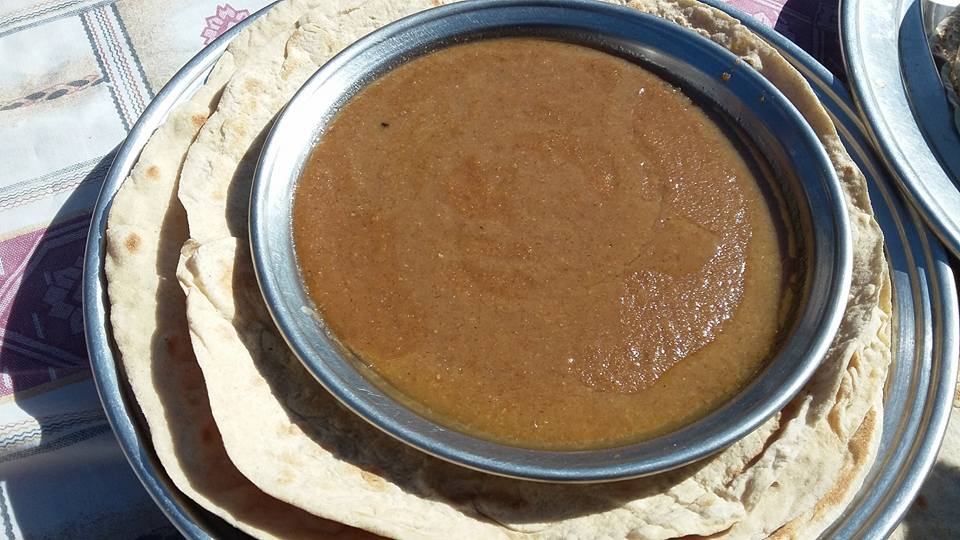
Saman, also known as Diram or Semn, is a traditional sweet, halwa-like dish made by the Wakhi community in the Gojal and Upper Hunza valleys. It is a festive food, typically prepared for special occasions and celebrations, particularly during the spring festival of Tegham (also called Shogun Bohor) .
The dish is made from sprouted wheat, which is ground into a flour and cooked slowly to create a sweet, dense porridge or halwa . This process gives it a naturally rich and sweet flavor without the need for large amounts of added sugar. It is considered a symbol of the "sweetness of labour" and the blessing of spring renewal, combining the fruits of the earth and the garden .
Saman is deeply tied to the agricultural calendar and community life of the Wakhi people. It is prepared and shared at festivals marking important transitions, such as the beginning of the plowing season or the departure of winter . During the Tegham festival, which celebrates the arrival of spring in Gojal Valley, the preparation and sharing of Semn is a central ritual, bringing the community together to enjoy this special delicacy .
For travelers, tasting Saman is a unique way to connect with the living traditions of the Wakhi people. It is not just a sweet treat but a taste of the history, resilience, and communal spirit of Upper Hunza.
Discover the authentic flavors of Hunza with Hunza Adventure Tours. From food tours to cultural immersions, we connect you with the tastes and traditions that have sustained these mountain communities for centuries.


No Thoughts Shared Yet
Be the first to share your thoughts, memories, or questions about this story!