
Five Giants of the Karakoram and Himalaya
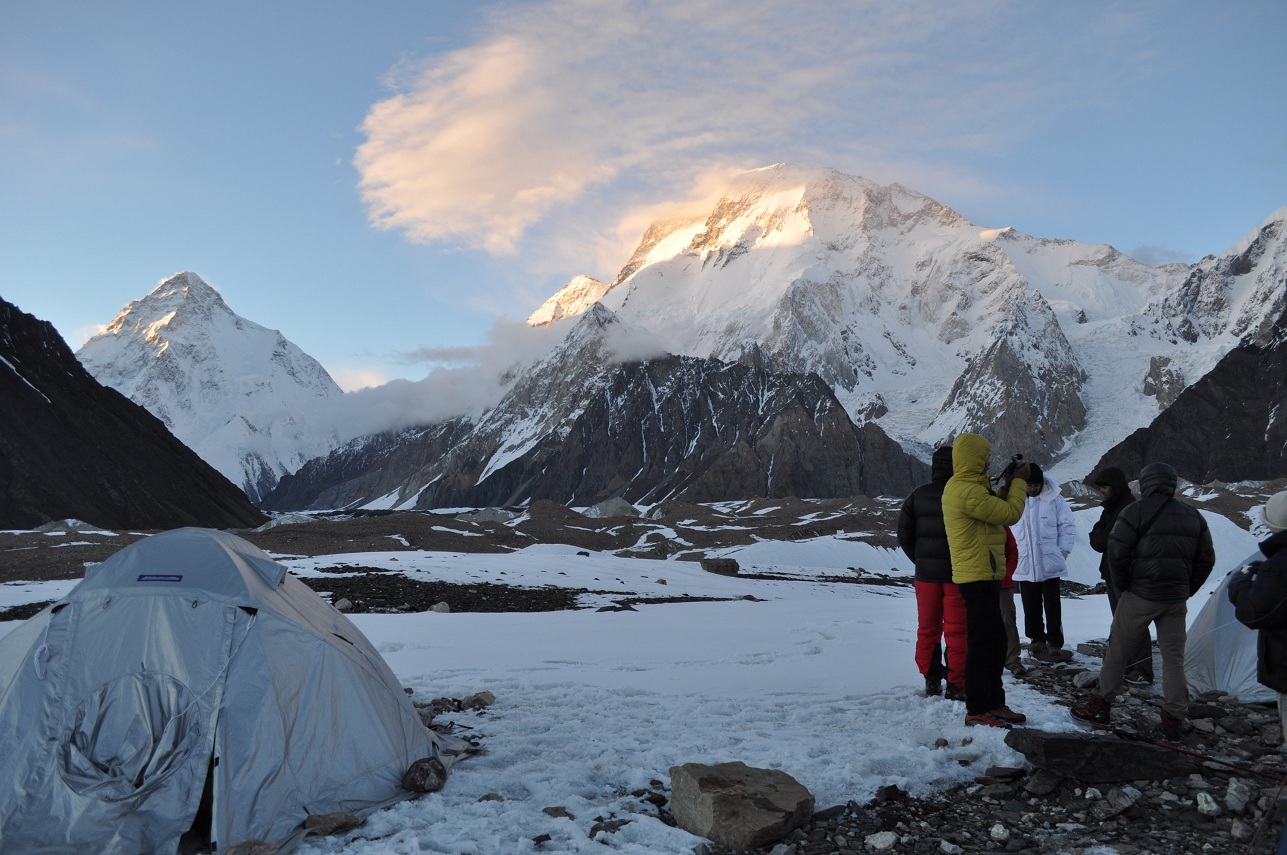
Nowhere else on Earth is there such a dense concentration of colossal peaks as in Northern Pakistan. Within a 20-mile radius around Concordia in Baltistan stand four 8,000-meter giants—K2, Broad Peak, Gasherbrum I, and Gasherbrum II—while the solitary giant Nanga Parbat anchors the western edge of the Himalayas . This unique convergence makes Pakistan one of the world's premier destinations for high-altitude mountaineering.
Pakistan is home to five of the fourteen 8,000-meter peaks on Earth, four of which lie in the Karakoram range near Concordia—the confluence of the Baltoro and Godwin-Austen glaciers . For expedition mountaineers, this concentration offers an unparalleled opportunity to test themselves against the planet's most formidable summits.
The Approach: Weeks on the Glacier
Before any climber can even think about the summit, they must first reach Base Camp. Mountaineers embarking on these peaks must navigate weeks of glacier trekking through the Baltoro before establishing Base Camp. The journey begins with a flight or drive to Skardu, the capital of Baltistan, followed by a jeep ride to Askole—the last village before the Baltoro Glacier .
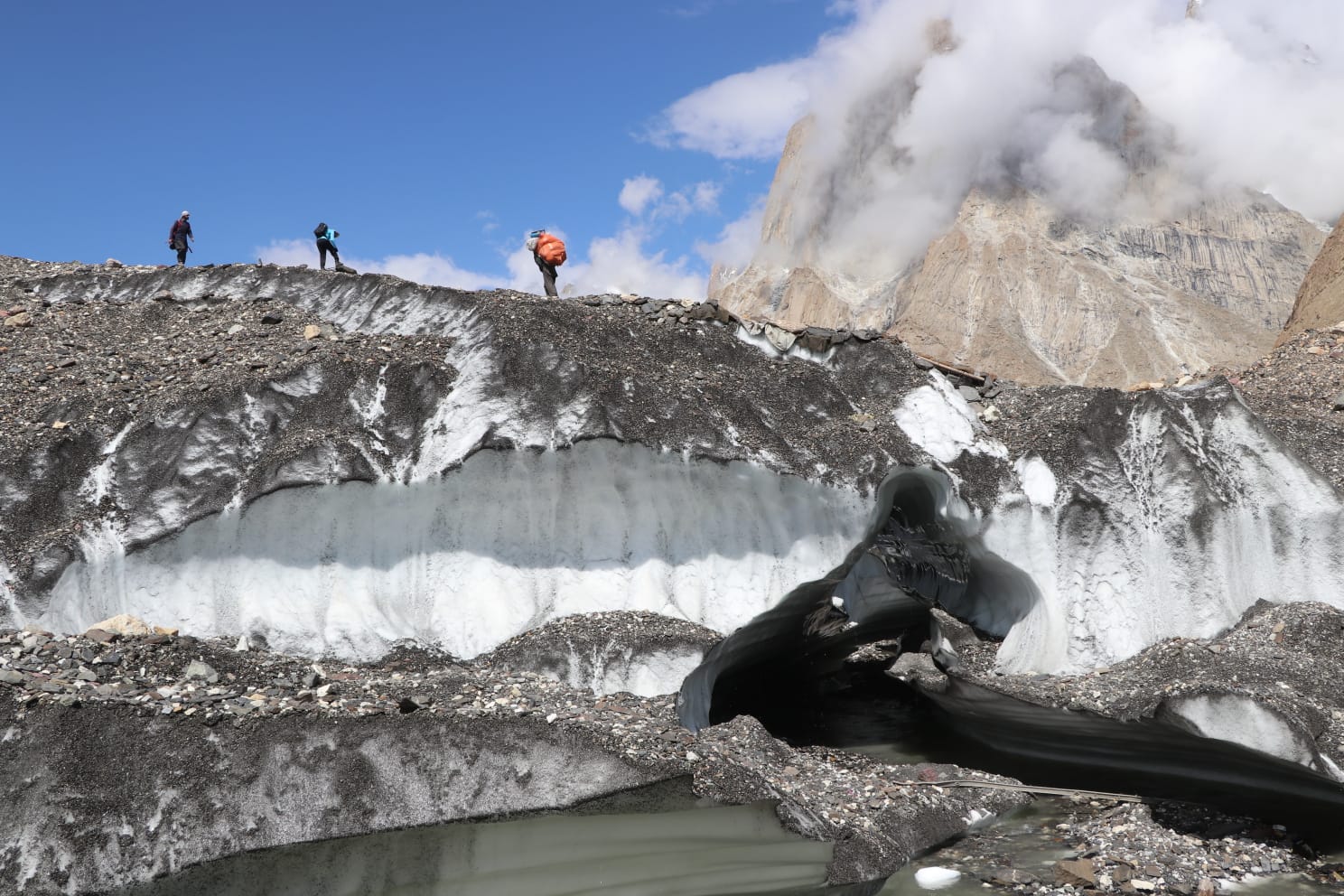
From Askole, the trek to Concordia takes seven days on foot, covering approximately 160 kilometers on the Baltoro and Godwin-Austen glaciers . K2 Base Camp sits at 5,150 meters, reached via the Godwin-Austen Glacier from Concordia . This long approach serves as both a physical and psychological preparation for the challenges ahead.
The Five Giants: A Climber's Assessment
K2 (8,611m) – The Savage Mountain
K2 is universally regarded as the hardest 8,000-meter peak in terms of both technical difficulty and objective danger . Known as the "Savage Mountain," it has never been climbed in winter until 2021, and its death-to-summit ratio is approximately 1:3—meaning one climber dies for every three who reach the top .
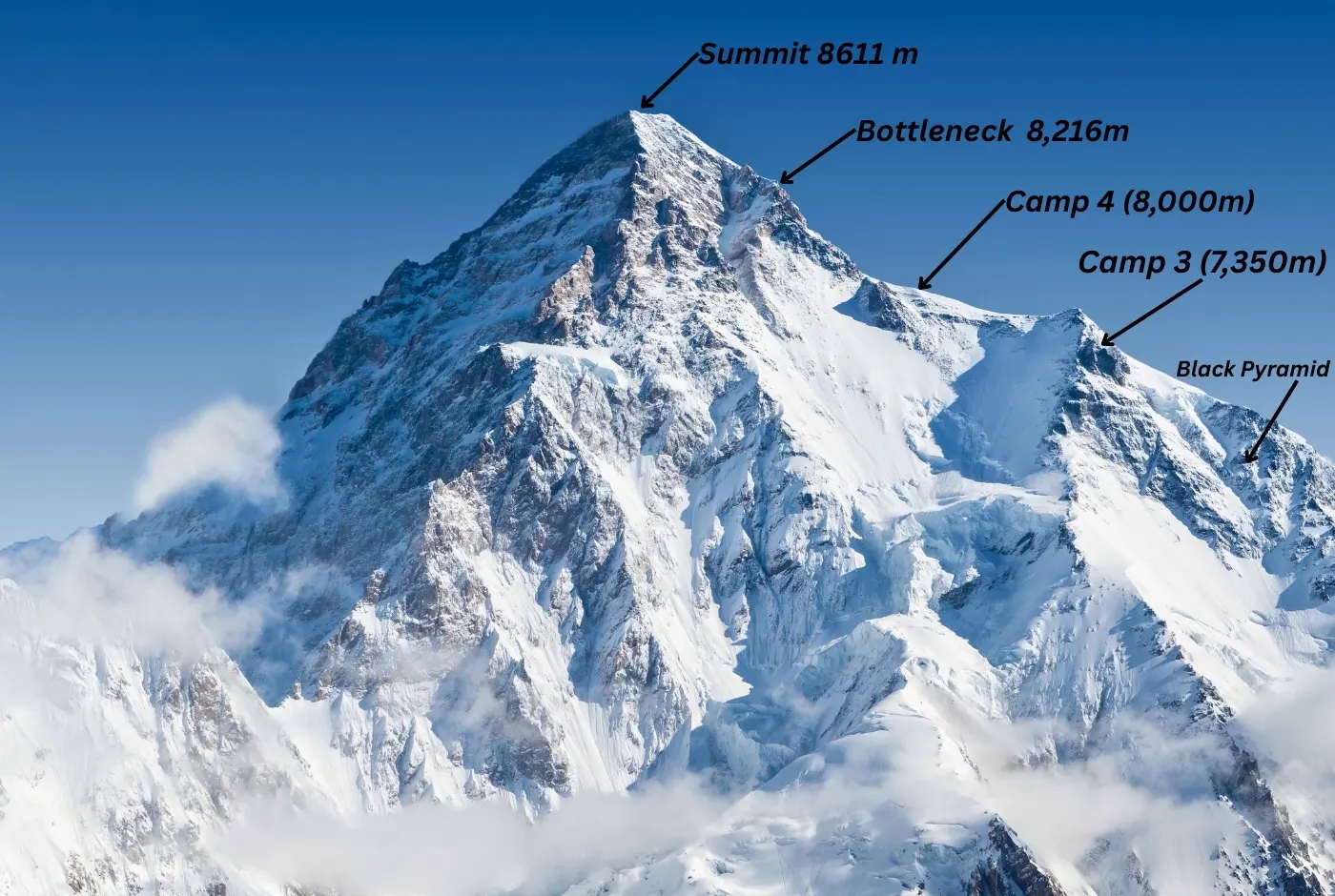
The Abruzzi Spur, first attempted in 1909 and used for the first ascent in 1954, remains the most popular route, accounting for over 75% of successful ascents . This route presents several technical and exposed sections:
-
House's Chimney – A 100-foot crack named for American climber Bill House, who led it in 1938
-
The Black Pyramid – A large arete protruding from the main spur
-
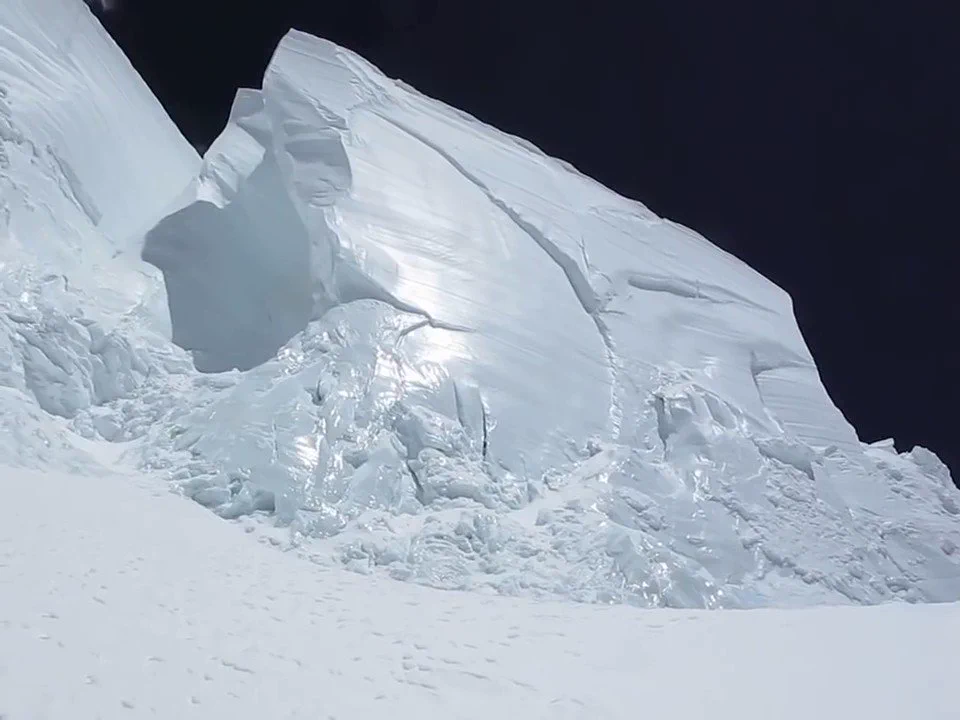
The Bottleneck – A steep couloir approximately 1,300 feet below the summit, overhung by unstable seracs
Other routes include the Česen Route (South-Southeast Spur), which avoids the technical obstacles lower on the Abruzzi but is significantly steeper, and the Magic Line (South-Southwest Pillar), widely considered one of K2's hardest and most aesthetically impressive routes . The Polish Route, described by Reinhold Messner as "suicidal," has never received a second ascent due to its extreme avalanche and serac danger .

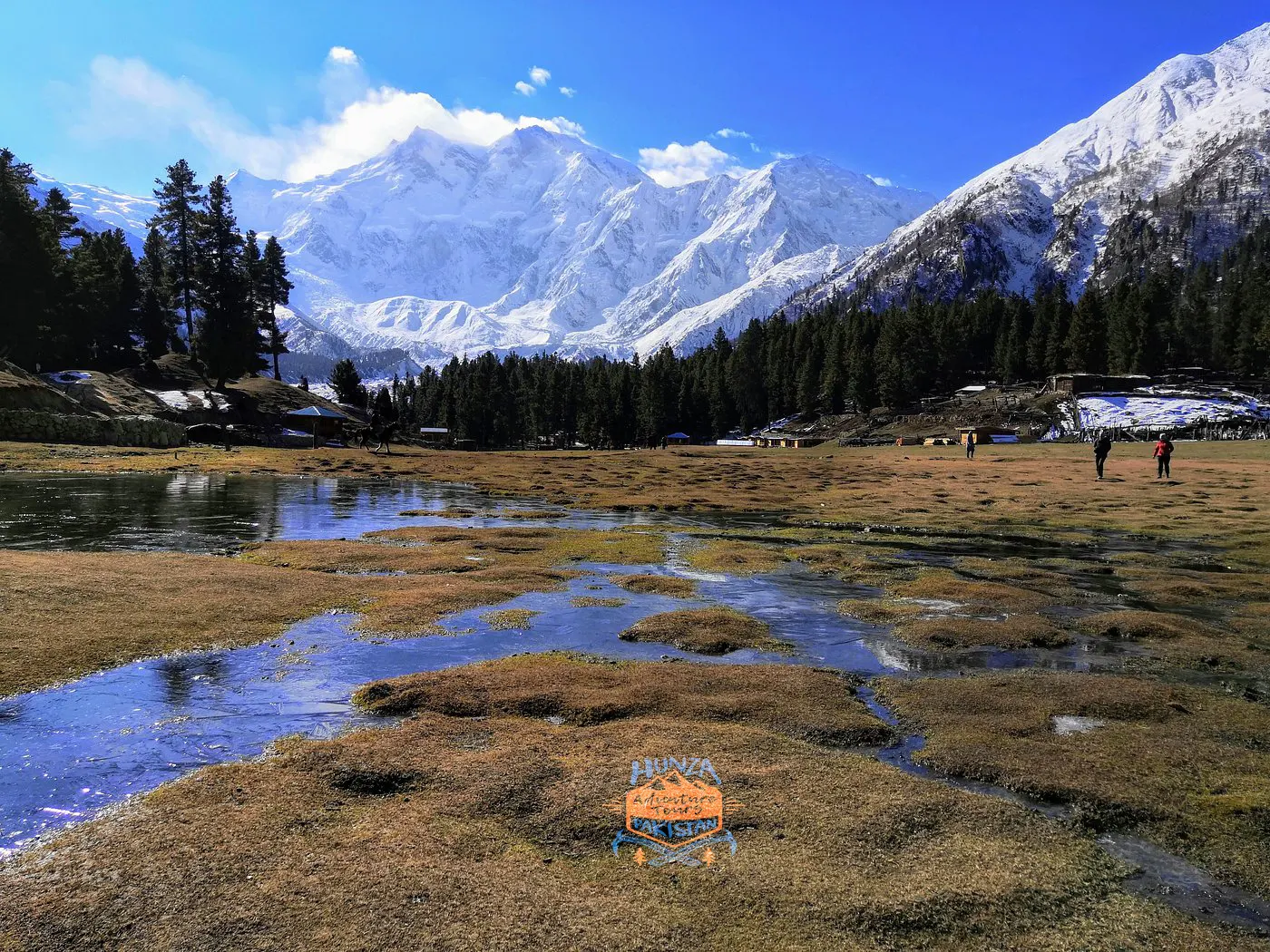
Nanga Parbat (8,126m) – The Killer Mountain
Nanga Parbat, meaning "Naked Mountain," anchors the western edge of the Himalayas and is the ninth-highest peak in the world . Known as the "Killer Mountain," it has claimed the lives of many mountaineers since the first attempts in 1895, with the first successful ascent only in 1953 .
The mountain's Rupal Face is the highest precipice in the world, rising 4,600 meters from its base. The Diamir Face, the standard route, presents its own challenges with rock and ice sections requiring high technical skill and acclimatization.
Gasherbrum I (8,068m) – Hidden Peak
Gasherbrum I, also known as Hidden Peak, is the 11th-highest mountain in the world . It was first attempted in 1936 by a French expedition and finally summited in 1958 by an American team led by Nich Clinch . The route crosses the south spur and involves both rock and ice climbing.
The approach to Base Camp follows the Baltoro Glacier, with the climb requiring a high level of technical skill, physical fitness, and acclimatization. The mountain is known for its "Shining Wall" appearance, from the local Balti word "Gasherbrum" .

Gasherbrum II (8,035m) – The Shining Mountain
Gasherbrum II is the 13th-highest peak in the world and is often considered one of the more accessible 8,000-meter peaks, though it remains a serious undertaking . It was first climbed in 1956 by an Austrian expedition led by Fritz Moravec, Joseph Larch, and Hans Willenpart .
The climb involves both rock and ice, requiring technical skill and acclimatization. The approach via Skardu and the Baltoro Glacier takes approximately a week of trekking. An expedition to Gasherbrum II is often described as providing a more complete mountaineering experience than the commonly guided Tibetan 8,000-meter peaks.
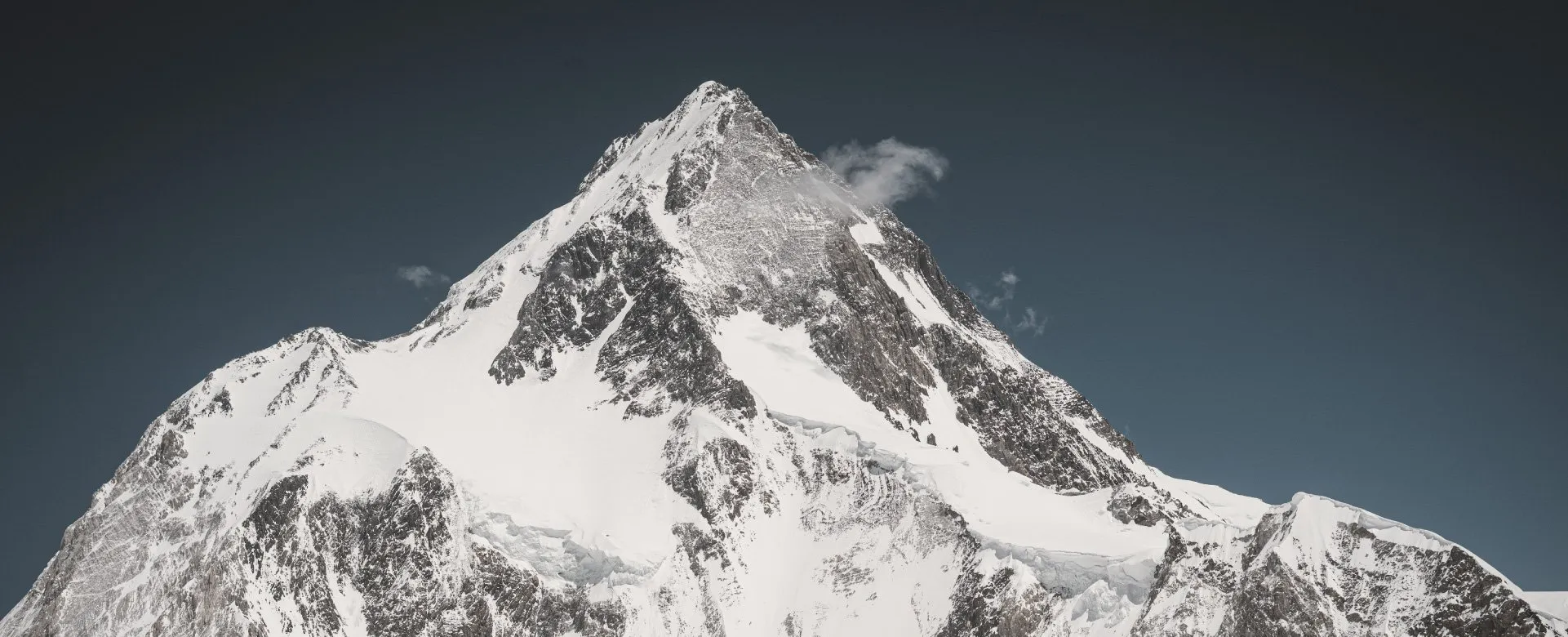
Broad Peak (8,047m) – The Massive Giant
Broad Peak is the 12th-highest mountain in the world and is often used as an acclimatization peak for K2 expeditions . It was first climbed in 1957 by an Austrian expedition . The mountain's name derives from its 1.5-kilometer-long summit ridge, which is visible from Concordia.
Climbers attempting Broad Peak often establish Base Camp at the foot of K2 and use the higher camps on Broad Peak for acclimatization rotations before their K2 push .

High Camps & The Death Zone
Each route requires precision acclimatization rotations between Camp 1, Camp 2, and Camp 3 before attempting the technical push into the Death Zone above 8,000 meters . The Death Zone is where the human body begins to deteriorate rapidly due to extreme hypoxia, and where most fatalities occur.
Acclimatization Strategy
On peaks like Broad Peak and K2, climbers typically establish:
-
Base Camp (approximately 5,000-5,150m)
-
Camp 1 (approximately 5,800-6,000m)
-
Camp 2 (approximately 6,400-6,600m)
-
Camp 3 (approximately 7,000-7,400m)
-
Camp 4 (above 7,700m, for the final summit push)
Climbers spend days or weeks rotating between these camps, ascending to higher altitudes and descending to Base Camp to allow their bodies to produce more red blood cells and adapt to the thin air. This process is physically taxing and requires careful monitoring of health.
The Bottleneck on K2
The Bottleneck on K2 is a particularly notorious section—a steep couloir approximately 1,300 feet below the summit that tilts up to 50 degrees and is overhung by unstable seracs . Many climbers have died here, and it remains one of the most dangerous sections on any 8,000-meter peak.
The Human Cost
The 8,000-meter peaks of Pakistan are among the deadliest in the world. K2's death-to-summit ratio of approximately 1:3 is significantly higher than Everest's 1:7 . In recent years, fatalities have continued to occur, often during descent when climbers are exhausted and conditions deteriorate.
In the 2025 season, a Chinese climber died after being struck by rockfall during descent from K2's summit . The year's unusual weather—unseasonably warm temperatures that exposed unstable rock—created additional hazards for climbers.
Concordia: The Throne Room of the Mountain Gods
Concordia, at approximately 4,650 meters, is the junction where the Baltoro and Godwin-Austen glaciers meet . From this vantage point, climbers and trekkers can see four 8,000-meter peaks within a 20-kilometer radius: K2, Broad Peak, Gasherbrum I, and Gasherbrum II .
The view from Concordia is often described as the single greatest mountain amphitheatre on Earth. It serves as the staging point for expeditions to all four of the Karakoram 8,000ers, as well as a destination for trekkers completing the K2 Base Camp trek.
The Future of Pakistani Mountaineering
For expedition mountaineers, the 8,000-meter peaks of Pakistan represent the ultimate challenge. The combination of technical difficulty, objective danger, remote access, and unpredictable weather makes these mountains a proving ground for the world's most skilled alpinists.
As commercial expeditions to Everest grow increasingly crowded, experienced climbers are turning their attention to Pakistan's giants. The Karakoram offers a purer form of high-altitude mountaineering—one where success depends not on fixed ropes and Sherpa support, but on individual skill, judgment, and endurance.
For those who accept the challenge, the reward is standing on summits that few humans will ever reach, in a landscape of unparalleled grandeur.
Discover the Karakoram with Hunza Adventure Tours. From K2 Base Camp treks to expedition support, we provide the logistics and local expertise for your Pakistan adventure.

No Thoughts Shared Yet
Be the first to share your thoughts, memories, or questions about this story!